
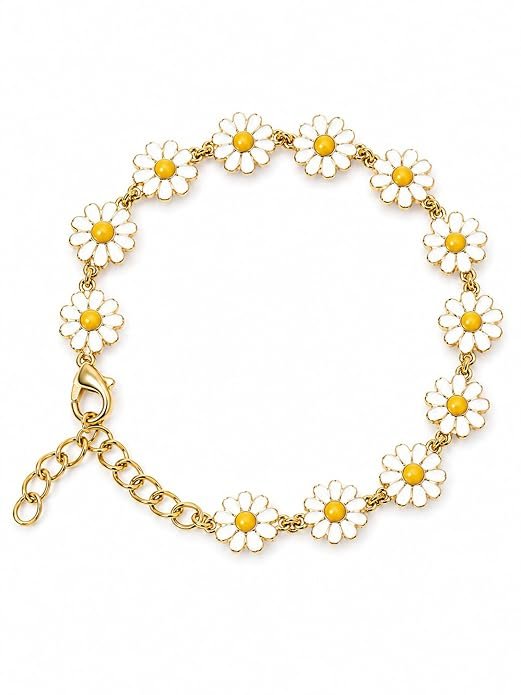

About this item
Daisy Flower: A Complete Guide to Its Beauty, Meaning, and Benefits
The daisy flower is one of the most loved and recognizable flowers in the world. Known for its simple beauty, bright white petals, and cheerful yellow center, the daisy flower symbolizes purity, innocence, hope, and new beginnings. Whether growing in a garden, decorating a bouquet, or blooming naturally in a meadow,brings joy and freshness wherever it appears. Its timeless charm has made it a favorite among gardeners, florists, and flower enthusiasts for centuries.
The daisy belongs to the Asteraceae family, one of the largest flowering plant families in the world. While the classic daisy features white petals surrounding a yellow center, there are many varieties available in different colors, including pink, red, purple, and yellow. Popular types include the English daisy, Shasta daisy, Gerbera daisy, African daisy, and Oxeye daisy. Each variety has unique characteristics, but they all share the same bright and attractive appearance that makes the daisy flower instantly recognizable.
One of the reasons the daisy flower is so popular is its ease of cultivation. It thrives in full sunlight and well-drained soil, making it suitable for home gardens, flower beds, borders, and containers. Gardeners appreciate the daisy flower because it requires relatively little maintenance while producing abundant blooms throughout the growing season. Regular watering, occasional fertilizing, and removing faded flowers help encourage continuous flowering and healthy growth.
The daisy flower has a rich history and cultural significance that spans many civilizations. In ancient mythology, daisies were often associated with gods and goddesses representing love, fertility, and nature. Over time, the daisy flower became a universal symbol of innocence, loyal love, and happiness. Many people gift daisy flowers during celebrations, birthdays, weddings, and anniversaries because they convey positive emotions and heartfelt wishes.
The versatility of the daisy extends to floral arrangements and home décor. Florists frequently use daisies in bouquets because they blend beautifully with roses, lilies, tulips, carnations, and wildflowers. Their fresh appearance makes them suitable for casual and formal occasions alike. Whether displayed in a simple vase or incorporated into elaborate wedding arrangements, the daisy flower adds elegance without overwhelming other flowers.
Many people choose because of its positive psychological impact. Bright flowers have long been associated with improved mood and reduced stress. The cheerful appearance of the daisy flower often creates feelings of optimism, peace, and relaxation. Adding daisies to living spaces, offices, or gardens can help create a welcoming and uplifting atmosphere that enhances everyday life.
The daisy flower is also popular in landscaping projects. Landscape designers frequently plant daisies along walkways, garden borders, and mixed perennial beds. Their long blooming season ensures continuous color, while their compact growth habit makes them easy to combine with other flowering plants. Whether planted individually or in large clusters, the daisy flower creates eye-catching displays that enhance outdoor beauty.
The daisy flower is also an excellent choice for beginner gardeners. Its resilience and adaptability make it forgiving for those who are new to gardening. With proper sunlight, occasional watering, and routine maintenance, the daisy flower rewards growers with abundant blooms year after year. Many perennial varieties return each season, making them a cost-effective and beautiful addition to any landscape.
Children often develop an early appreciation for the daisy flower because of its simple shape and vibrant appearance. The flower is commonly featured in educational activities, artwork, and nature studies. Its recognizable structure helps children learn about plant biology, pollination, and the importance of flowers in the natural world.
Seasonal care is important for maintaining healthy plants. During the growing season, regular watering helps support vigorous flowering, especially during dry periods. Applying mulch around the base of the plants helps retain soil moisture and reduce weed growth. Deadheading spent blooms encourages the production of new flowers and extends the blooming period. Dividing mature plants every few years also promotes healthier growth and prevents overcrowding.
| Additional Information | |
|---|---|
| Packer | Shollinganalur, Chennai – 600119 |
| Item Weight | 40 g |
| Generic Name | Bracelets |

Reviews
There are no reviews yet.